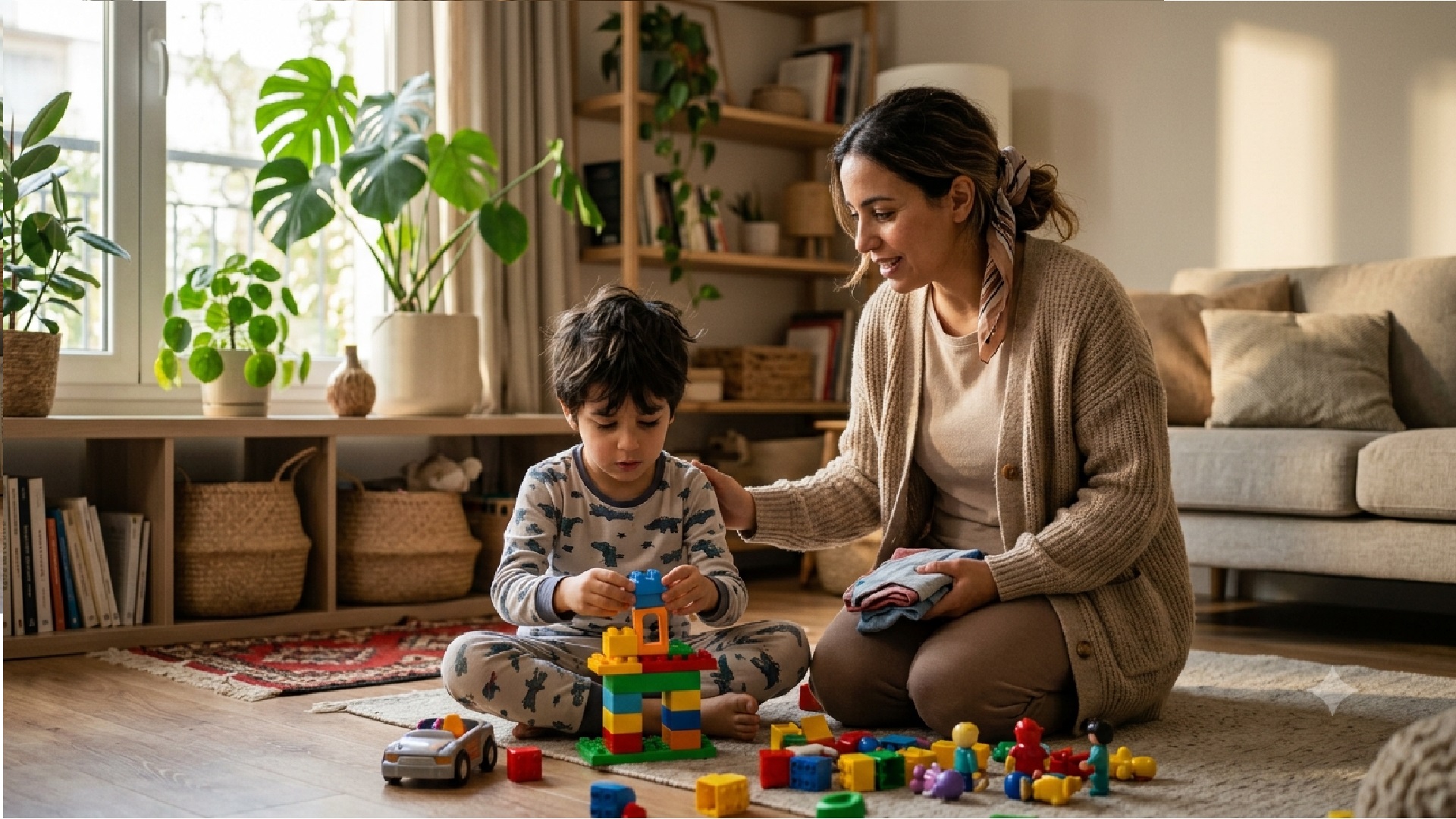
Almost every parent experiences moments when their child seems to ignore every request.
Whether it's getting dressed, turning off a screen, or cleaning up toys, daily routines can quickly become frustrating.
The good news is that listening isn't about having a "good" or "bad" child. It's about understanding what drives behavior and learning how to respond calmly and effectively."
"Every challenging behavior is an opportunity to understand your child better."
Why Children Stop Listening ?
''Every behavior has a reason. Understanding why children stop listening is the first step toward responding with patience instead of frustration''
🧠
Developing Brain
Children’s brains are still learning self-control, attention, and decision making. Listening is a skill that develops over time.
❤️
Strong emotions like frustration, fear, or excitement can make it difficult for children to listen and respond calmly.
Big Emotions
🎯
Seeking
Independence
As children grow, they naturally test limits and want to make their own choices. This is part of healthy development.
👨👩👧
Sometimes challenging behavior is simply a child’s way of asking for attention, reassurance, or emotional connection.
Need for
Connection
Common Parenting Mistakes
That Make Listening Harder
Even the most loving parents can unintentionally reinforce challenging behaviors. The good news is that small changes in your approach can make a big difference.
🔊 Repeating the Same Request
Children often stop responding when instructions are repeated too many times without clear expectations.
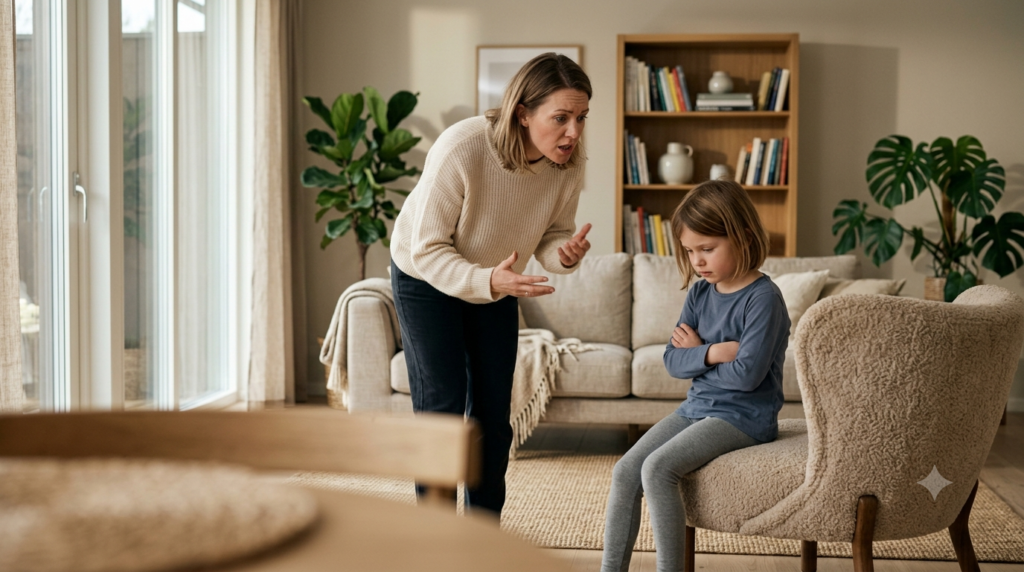
⚠️ Yelling Instead of Connecting
Children often stop responding when instructions are repeated too many times without clear expectations. Raising your voice may stop the behavior temporarily but rarely teaches lasting cooperation.
📋 Giving Too Many Instructions
Too many directions at once can overwhelm young children and reduce their ability to focus.
⏳ Expecting Immediate Obedience
Children need time, practice, and guidance to develop self-control and responsibility.
What Actually Helps Children Listen
Small changes in the way you communicate can make everyday routines calmer and more cooperative.
Small changes in the way you communicate can make everyday routines calmer and more cooperative.
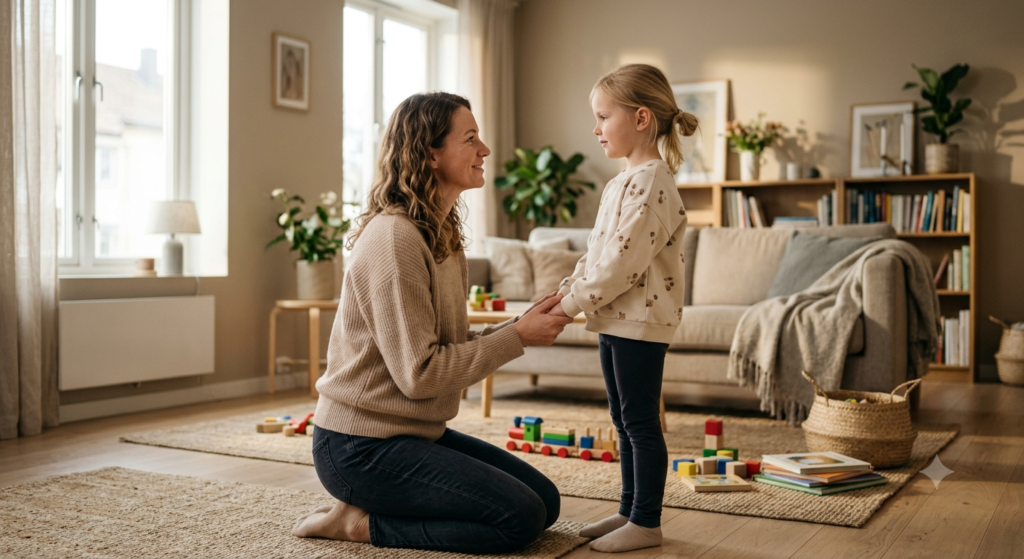
💬 Get Down to Their Level
Make eye contact before giving instructions. Children respond better when they feel seen and connected.
😊 Stay Calm First
Children borrow your emotional state. A calm parent helps create a calm child.
📋 Give One Clear Instruction
Keep directions simple and specific instead of giving multiple requests at once.
🌟 Praise Cooperation
Notice and encourage positive behavior. Children repeat what receives positive attention.
Featured Book
You're Not a Bad Parent
Why Children Act Out and What Actually Helps
Parenting can feel overwhelming when your child argues, refuses, melts down, or acts out. You’re Not a Bad Parent helps you look beyond difficult behavior and understand what your child may really be communicating. With practical, compassionate strategies, this guide helps you respond with greater calm, confidence and connection.
What You'll Gain
✓ Understand challenging behavior
Discover what may be behind your child’s difficult reactions.
✓ Respond without constant yelling
Learn calmer ways to handle everyday conflicts.
✓ Build stronger connection
Improve communication and create a more secure parent-child relationship.
✓ Encourage positive change
Use practical strategies that help children develop emotional skills and responsibility.